







What are the causes of Male Stress Incontinence?
 June 10, 2025
Stress incontinence can be a deeply frustrating and sometimes embarrassing issue for men, impacting their quality of life, confidence, and overall well-being. Although it’s often associated with age, certain medical conditions and lifestyle factors can make stress incontinence a challenge for men of any age.
This blog will explore the causes of male stress incontinence, how it is diagnosed, the treatment options available, and practical strategies for coping. Whether you are experiencing symptoms yourself or caring for someone who is, understanding the root issues behind stress incontinence is the first step in taking control.
What is Male Stress Incontinence?
Stress incontinence is the involuntary leakage of urine that occurs when pressure is applied to the bladder. Activities like coughing, sneezing, exercising, or even laughing can cause leakage as the muscles controlling urinary flow are unable to withstand the pressure.
For men, stress incontinence can be particularly distressing, often linked to underlying medical conditions or prior surgeries. Understanding the causes is crucial for selecting an effective treatment plan and restoring confidence.
Common Causes of Male Stress Incontinence
Understanding why stress incontinence occurs can help identify the best solutions. Below are the most common culprits behind this condition.
Prostate Surgery: Impact on Urinary Control
Prostate removal, often for prostate cancer treatment, is one of the leading causes of stress incontinence in men. The prostate surrounds the urethra and is closely connected to the bladder. During a prostatectomy (surgical removal of the prostate), damage to the urinary sphincter may occur, affecting bladder control.
While stress incontinence is a common side effect following surgery, symptoms often improve over time with proper management and therapy.
Nerve Damage: How It Affects Bladder Function
Nerves play a central role in controlling the muscles that regulate urine flow. Unfortunately, nerve damage caused by injuries, surgeries, or conditions such as Parkinson’s disease can disrupt the communication between the bladder and the brain.
When the pelvic nerves aren’t functioning as they should, the bladder may leak urine in response to pressure, even when the muscles themselves are not weakened.
Weak Pelvic Muscles
The pelvic floor muscles are key to maintaining urinary control. These muscles support the bladder and urethra and help regulate the release of urine.
Factors such as advancing age, prior surgeries, or prolonged physical strain can gradually weaken the pelvic floor muscles, leaving men vulnerable to stress incontinence.
Medical Conditions Like Diabetes and Obesity
Chronic conditions like diabetes can damage the nerves responsible for bladder function, contributing to incontinence. Additionally, obesity puts extra strain on the bladder, increasing the likelihood of leaks during physical activities or sudden movements.
A holistic approach focusing on weight management and controlling chronic medical conditions can significantly improve symptoms.

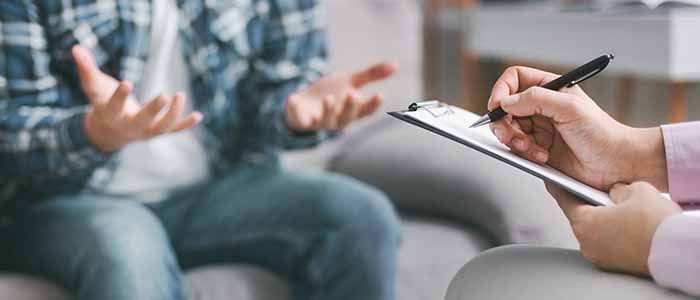
Diagnosis and Evaluation of Stress Incontinence
Experiencing stress incontinence can be bewildering, but a thorough diagnosis by a healthcare professional can pinpoint the root cause and help guide the right treatment.
Physical Exams
A physical exam is usually the first step. Your doctor may ask about your medical history, daily habits, and when the symptoms started. They will also assess the strength and function of the pelvic floor muscles, as well as check for any signs of anatomical abnormalities.
Urodynamic Testing
For more comprehensive evaluation, urodynamic testing may be recommended. These tests measure how well the bladder and urinary sphincter are working. The results provide valuable insights into whether the bladder muscles, nerves, or sphincter are contributing to the issue.
Treatment Options for Male Stress Incontinence
Fortunately, stress incontinence is treatable, and many men find significant relief through lifestyle changes, exercises, and other treatments. Below, we outline the main options.
Lifestyle Changes
Simple changes can often make a big difference in managing stress incontinence.
- Monitor Fluid Intake: Avoid excessive caffeine and alcohol, which can irritate the bladder.
- Maintain a Healthy Weight: Losing even a small amount of weight can reduce pressure on the bladder.
- Stay Active: Regular exercise and avoiding prolonged sitting can improve pelvic muscle strength.
Pelvic Floor Exercises
Pelvic floor exercises, also known as Kegel exercises, are highly effective for strengthening the muscles that control urination.
Here’s how to get started:
- Identify your pelvic floor muscles (the ones you’d use to stop urine midstream).
- Tighten the muscles for 3-5 seconds, then relax for an equal amount of time.
- Repeat 10-15 times, 3 times a day.
Kegel exercises are simple but require consistency to achieve noticeable results within a few weeks to months.
Medical Treatments
For more severe cases, medical interventions may be necessary. These include:
- Medications: Some drugs can help strengthen the muscles or improve nerve function.
- Devices: Urethral inserts or clamps can prevent leakage during certain activities, offering short-term support.
Surgical Options
When other treatments fail to provide adequate relief, surgery may be considered. Common procedures include:
- Urethral sling surgery: A mesh sling is used to support the urethra and restore control.
- Artificial urinary sphincter: This device is implanted to mimic the natural function of the urinary sphincter.
Consult with your healthcare provider to explore whether surgery is right for you and the associated risks.
Coping Strategies and Support
Beyond physical treatments, addressing the emotional and practical challenges of stress incontinence is vital for overall well-being.
Managing Emotional Well-being
It’s normal to feel frustrated or embarrassed by incontinence but remember that you’re not alone. Stress incontinence is a common condition, and medical professionals are here to help. Engaging in open discussions with a doctor, therapist, or support group can make coping easier.
Support Groups and Resources
Support groups, both online and in-person, offer a sense of community where you can share your experiences and learn from others. Brands, charities, and organisations specialising in incontinence care also offer resources tailored to men, providing practical tips and educational materials.
Taking the First Step to Regain Control
Dealing with male stress incontinence can feel overwhelming, but solutions exist. From pelvic exercises to advanced surgical options, a wide range of treatments is available to improve your quality of life. Taking action—whether by seeking medical evaluation or starting lifestyle changes—is an important first step in regaining control.
Remember, you don’t have to face this alone. With the right guidance, support, and treatment plan, managing stress incontinence is not only possible but often life-changing.